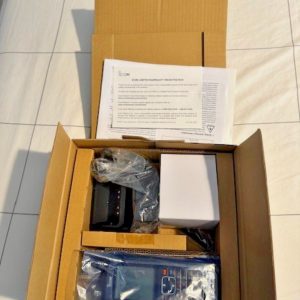
:::writingvariant="document" id="58314" ICOM IC-A25N Handheld NAV/COM Transceiver w/ Bluetooth – Open Box: Portable Aviation Radio The ICOM IC-A25N Handheld NAV/COM Transceiver w/ Bluetooth – Open Box is a versatile communication and navigation device for pilots, flight instructors, aircraft operators, aviation students, and ground personnel who require dependable portable radio capability. Choosing an open-box aviation radio may allow buyers to obtain advanced pilot equipment at a more accessible price than a comparable factory-sealed package. An ICOM IC-A25N Handheld NAV can support pilots who need a portable radio for cockpit backup, preflight monitoring, flight training, and general aviation communication. The ICOM IC-A25N Aviation Radio is relevant to pilots who need dependable access to aviation frequencies while operating in the cockpit or around an airport. A portable ICOM IC-A25N Handheld Radio supports flexible aviation operations because it can remain with the pilot rather than being permanently installed in one aircraft. A Handheld NAV/COM Aviation Transceiver can reduce the need to carry separate portable communication and navigation receivers for certain aviation tasks. Whether pilots need a Handheld Aviation Radio, Aviation NAV/COM Radio, Pilot Handheld Radio, or portable Aircraft Communication Radio, the complete package should be inspected and tested. The product can support pilots seeking a Portable Aviation Transceiver, Aviation Navigation Radio, ICOM Pilot Radio, or dependable Backup Aircraft Radio.
Why Pilots Choose the ICOM IC-A25N Handheld Radio
The IC-A25N combines portable aviation communication capability with navigation-oriented features intended to support a broad range of pilot activities. The device may help pilots reduce equipment clutter by integrating several useful capabilities into one flight-bag-friendly radio. The radio may perform very effectively in some environments while experiencing reduced range inside certain aircraft or buildings. Operators should include the radio in normal equipment checks so batteries, accessories, and settings remain ready for use.Choosing the ICOM IC-A25N Handheld NAV
The ICOM IC-A25N Handheld NAV can support pilots who want portable access to aviation communication and navigation information during flight preparation or cockpit operations. Flight schools can use portable radios to support classroom discussions, ramp communication, operational demonstrations, and backup planning. Users should understand which functions are intended for reference, communication, navigation support, training, or emergency use. Organized cockpit placement improves access while protecting the radio from impact, movement, moisture, and accidental activation.Benefits of an ICOM IC-A25N Aviation Radio
The radio may be useful to pilots operating aircraft with limited avionics, temporary communication problems, or different cockpit configurations. Maintenance providers may monitor aviation activity while working outside the aircraft or coordinating ground movements. Current photographs should show the radio body, display, controls, connectors, antenna, battery, charger, packaging, and included components. A functional demonstration can confirm that the radio powers on, accepts charging, responds to controls, displays information, produces audio, and recognizes included equipment.ICOM IC-A25N Handheld Radio Convenience
A compact radio can remain in a flight bag alongside headsets, charts, flashlights, batteries, and other essential pilot equipment. The antenna should be protected from bending or crushing while the radio is transported with other equipment. Users can review the interface in a quiet environment rather than learning controls during engine operation or busy airport activity. Proper storage temperature and periodic charging can help preserve long-term battery and equipment performance.Using a Handheld NAV/COM Aviation Transceiver
A NAV/COM transceiver can support normal operations, training, backup planning, aircraft delivery, and selected ground activities. Users should consider how frequently the radio will be carried, whether Bluetooth is required, and which accessories are needed for their aircraft or headset. A brief function check can identify weak battery performance, loose accessories, damaged connectors, or configuration problems before departure. An equipment log may be helpful for flight schools, shared aircraft, or aviation businesses where several users handle the same device.Choosing a Handheld Aviation Radio
General aviation users may carry a portable radio during training flights, cross-country operations, maintenance, aircraft repositioning, and airport events. Regular practice and maintenance turn a handheld device into meaningful backup equipment rather than an unverified accessory. Radio performance can be affected by aircraft structure, cockpit location, antenna orientation, terrain, buildings, interference, weather, and distance. Responsible communication protects aviation operations and helps users gain the full value of a professional handheld radio.Benefits of an Aviation NAV/COM Radio
A NAV/COM radio may support pilots who need backup communication while also valuing navigation-oriented information and operating flexibility. Important features should be practiced on the ground before the radio is used during high-workload phases of flight. Pilots should maintain current charts, navigation planning, weather awareness, and suitable avionics for the flight being conducted. Volume and squelch should be adjusted appropriately while avoiding unnecessary distraction.Choosing a Pilot Handheld Radio
A portable radio can remain with the pilot when changing aircraft, allowing consistent access to a familiar communication device. A belt clip, protective case, organized side pocket, or approved mounting arrangement may help secure the radio during flight. Training may also include using the radio with gloves, in reduced light, with a headset, or in a noisy cockpit environment. Battery condition should be reassessed as the pack ages or shows reduced capacity, charging problems, unusual heat, or physical changes.Aircraft Communication Radio Applications
A handheld radio may provide additional flexibility during aircraft demonstrations, test preparation, delivery operations, or extended maintenance events. Professional communication practices improve the effectiveness of both installed and handheld radios. Buildings and hangar structures can also reduce radio performance during ground use. The radio should be protected from impact, vibration, liquid exposure, extreme temperature, and damaged accessories.Portable Aviation Transceiver Applications
Portability is valuable when users need one radio across several airplanes, buildings, vehicles, or operational locations. A protective case can separate the radio from tools, keys, metal objects, liquids, and heavy equipment inside a flight bag. Bluetooth operation should be tested in advance because pairing status, battery condition, compatibility, audio routing, and device settings can influence performance. The radio should remain usable even when a paired device is unavailable or the Bluetooth connection cannot be restored.Maintaining an Aviation Communication Device
An Aviation Communication Device should provide clear operation, accessible controls, dependable power, suitable audio, and practical compatibility with the user’s aviation environment. Buyers should avoid assuming that open-box always means unused or that every accessory remains included. Users should report intermittent operation, damaged accessories, weak batteries, charging concerns, or missing components promptly. Training should cover normal communication, navigation-related functions, emergency use, battery care, Bluetooth setup, and storage.Maintaining a Handheld Aircraft Radio
A Handheld Aircraft Radio can provide useful communication capability both inside the cockpit and around the aircraft during Aviation Navigation Radio maintenance, preflight, towing, fueling, or operational preparation. A handheld unit allows maintenance personnel to confirm communication-related information while aircraft power remains disconnected. The pilot should route headset cables or charging leads carefully and avoid creating loops that can snag controls or occupants. The radio should be cleaned only with suitable methods that do not damage the display, housing, seals, labels, or controls.Using an Aviation Navigation Radio
The IC-A25N may appeal to pilots who want more than communication capability from their handheld flight-bag radio. A demonstration or careful manual review can help users understand displays, menus, stored information, and navigation-related controls. Navigation information should be cross-checked with current aviation references and suitable cockpit equipment for the planned operation. A radio that has not been used recently may require charging, configuration review, Bluetooth reconnection, and accessory inspection.Maintaining an ICOM Pilot Radio
The radio may also suit instructors, aircraft technicians, flight departments, and airport operations personnel who require portable communication equipment. An open-box unit may have excellent value, but the buyer should verify the package rather than relying solely on the model name. The device should support the pilot’s normal workflow rather than requiring accessories or procedures that are inconvenient or incompatible. Responsible ownership allows an ICOM Pilot Radio to remain a useful communication and navigation resource for many aviation activities.Choosing an Emergency Aviation Radio
A handheld radio may support a pilot’s response to an abnormal situation by providing portable communication capability independent of the main panel system. Cockpit structure, antenna location, terrain, altitude, weather, buildings, and battery condition can influence emergency performance. Redundancy is strongest when the user has more than one practical method of hearing and transmitting with the device. Emergency equipment checks can be scheduled with annual inspections, proficiency reviews, seasonal preparation, or flight-bag audits.Using a Backup Aircraft Radio
A portable radio may also support communication when an aircraft is on the ground with its electrical system disconnected or undergoing avionics maintenance. A dependable backup radio is the result of consistent preparation rather than the assumption that unused equipment remains ready. The pilot should determine whether the radio will be operated through its built-in audio, Bluetooth accessory, or wired headset connection. With thoughtful preparation, a Backup Aircraft Radio can provide valuable confidence without creating unnecessary cockpit complexity.Evaluating an Open-Box Aviation Radio
Connectors and charging contacts should appear clean, straight, secure, and free from corrosion or contamination. Transparent answers allow the buyer to distinguish a nearly unused open-box product from a lightly used or incomplete package. A complete demonstration can provide valuable confidence for buyers who cannot inspect the radio in person. The buyer should inspect the radio promptly after delivery and report any missing items, damage, or functional concerns according to the agreed terms.Maintaining a Portable NAV/COM Transceiver
Long-term reliability depends on battery care, protected storage, correct charging, careful antenna handling, clean connectors, updated familiarity, and prompt attention to operating concerns. Reliable readiness comes from planned inspection, charging, practice, and responsible storage.- Examine high-use areas regularly and document any repair, battery replacement, charging concern, impact, or intermittent operation.
- Verify frequency settings, memory organization, Bluetooth pairing, audio routing, volume, squelch, navigation functions, and battery status during preflight preparation.
- Charge and store the battery according to appropriate guidance while keeping all accessories labeled and together.